
Word Age: The Grand Expedition
Night Owl ProductionsWord
4.211.00 Reviews
- Version
- 1.2.2
- Installs
- 10.00K
- Age Rating
- Everyone
Screenshots
Our Review of Word Age: The Grand Expedition
 Analysis by Appyee
I approached Word Age: The Grand Expedition expecting a straightforward word game, but its archaeological-adventure setting gives the familiar puzzle format a more focused rhythm. The central appeal is not simply finding words; it is the way each puzzle invites me to slow down, inspect the available letters, and decide whether I want an obvious answer or a more thoughtful one. That small change in attitude is what makes this game worth considering for people who enjoy word challenges but do not always want the pressure of a fast, competitive session.
Developed by Night Owl Productions, this free game sits in the word category and is suitable for Everyone. It is available for devices running Android 7.0 or later, and the current version is 1.2.2. The game has attracted over ten thousand installs and holds a 4.2 average from 34 ratings, with 11 written reviews. Those numbers suggest a modest but interested audience rather than a huge mainstream hit, which fits my impression: this feels like a focused puzzle experience for people who enjoy a quieter kind of mobile entertainment.
The archaeological journey works because it gives word puzzles a sense of purpose
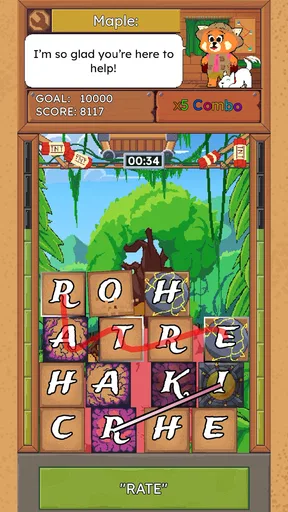
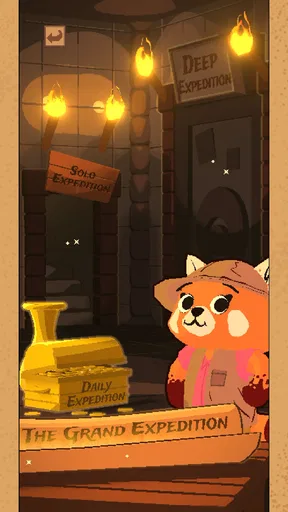
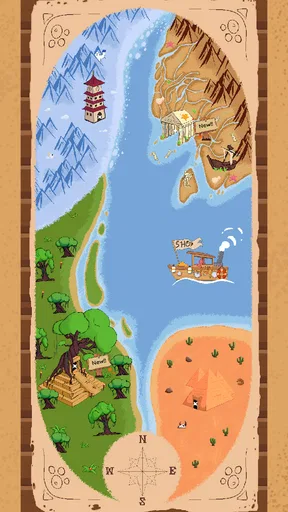
The verified capability I found most meaningful is the combination of word puzzles with an archaeological expedition. In many word games, a level can feel like an isolated exercise: solve it, collect a reward, and move on. Here, the expedition framing gives the solving process a destination. Even when the underlying activity remains familiar, the setting encourages me to treat each puzzle as part of a larger journey instead of a disconnected test.
That matters during short sessions. If I have only a few minutes, I can open the game, work through a puzzle, and stop without feeling that I abandoned a complicated strategy match. On the other hand, the adventure theme gives me a reason to continue when I have more time. It is a useful middle ground between a pure vocabulary drill and a story-heavy adventure game.
I also like that the theme does not force the game into a completely different genre. The word challenge remains the main activity, so the archaeological idea supports the puzzles rather than burying them under unrelated mechanics. For me, this is the strongest design decision in Word Age. The setting provides motivation, but the game still respects the simple pleasure of arranging letters and recognizing a word that was sitting in front of me all along.
The expedition theme changes how I approach difficulty: I play more patiently, look for patterns longer, and treat a missed word as part of the search rather than an immediate failure. That is a subtle effect, but it is more valuable than decorative presentation alone. The theme becomes useful when it affects the player’s pace and attention.
What solving feels like in everyday use
In practice, I would describe the experience as a good fit for pauses rather than long, uninterrupted gaming sessions. I can imagine using it while waiting for an appointment, taking a break from work, or winding down before sleep. Word puzzles naturally support this kind of stop-and-start play because they do not demand the same continuous concentration as action games. The archaeological framing makes those small sessions feel connected instead of random.
A realistic example would be a commute with a few quiet minutes available. I might open the game intending to solve only one puzzle, spend the first moment identifying the easiest word possibilities, and then continue if the next challenge catches my attention. If I need to put the phone away, the format is easy to leave behind mentally. When I return later, I can get back into the same kind of thinking without having to remember a complicated control scheme or a detailed strategic plan.
The game also suits players who enjoy testing their vocabulary privately. Some word games make me feel as though I am racing a timer, competing with other players, or chasing a leaderboard. Word Age: The Grand Expedition is more appealing when the goal is personal progress and mental stimulation. I can focus on discovering combinations, noticing familiar roots, and checking whether a less obvious word fits the puzzle rather than worrying about how quickly someone else would solve it.
One useful habit is to avoid entering the first answer that comes to mind and instead scan the remaining letters before moving on. In a themed word game, it is easy to become fixated on a single interpretation of the puzzle. I get better results when I separate the process into two passes: first, I identify the short and common possibilities; then I revisit the letters with longer or less familiar words in mind. This makes the game feel less like guessing and more like a compact vocabulary workout.
Why the capability matters more than a decorative theme
There is a difference between an adventure skin placed over a word game and a theme that genuinely improves the session. The archaeological angle is most effective when it gives me a reason to continue exploring after a difficult puzzle. It creates a sense of movement, even though the main action remains on the word board. That can be enough to make a familiar format feel fresher than a plain list of unrelated challenges.
Still, I would not choose this game solely because I want a deep archaeological simulation. That is not what it is trying to be. The expedition serves the word-puzzle experience; it does not replace it with excavation management, historical research, or a detailed adventure system. Players who want those elements should look elsewhere. The right expectation is a word game with an exploration flavor, not a full archaeological game that happens to include vocabulary challenges.
This distinction is important when deciding whether to install it. If I want a relaxing word game with a clear identity, the theme adds value. If I want a large narrative, complex resource systems, or a broad adventure world, the same simplicity may feel limited. The game works best when I accept that its expedition is a framework for solving words rather than a separate genre layered on top.
How I would use it and where the trade-offs appear
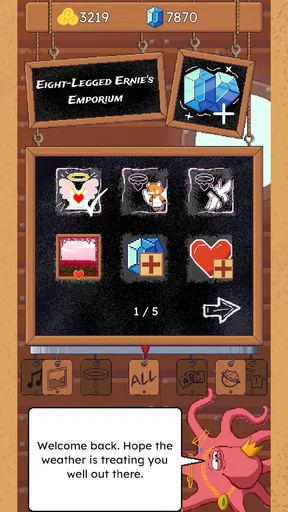
The free entry price makes it easy to try without committing money first. However, the game includes in-app purchases ranging from $0.99 to $99.99 per item. That is worth keeping in mind before settling into a long-term routine. I would approach the purchase system carefully, especially if I were installing the game on a shared family device or allowing a younger player to use it. The Everyone age rating makes it broadly accessible, but the presence of optional spending still calls for sensible account controls.
For me, the best way to evaluate the game is to begin with a few short sessions and ask whether the expedition framing actually changes my interest in solving the puzzles. If I enjoy the word challenges on their own, the theme can add staying power. If I find the basic puzzle loop repetitive almost immediately, the setting may not be enough to solve that problem. This is an important trade-off: atmosphere can improve motivation, but it cannot replace variety or personal interest in wordplay.
Another consideration is the type of challenge I prefer. Players who like calm, deliberate solving may appreciate the pace. Those who want rapid rounds, multiplayer competition, or constant action may find it too gentle. I would also skip it if my main goal were advanced language study. A casual word game can encourage attention and vocabulary recall, but I would not treat it as a structured course or a reliable substitute for a dictionary, language-learning program, or formal practice plan.
The game’s modest audience can be read in two ways. On one hand, the over ten thousand installs and 4.2 average indicate that it has found players who enjoy it. On the other hand, it does not have the broad visibility of the biggest word-game brands. I see that as a reason to judge it by its particular style rather than by the size of its community. If I need a huge social ecosystem or a widely recognized competitive standard, a more established alternative may suit me better.
Small habits that make the puzzles more rewarding
I found that the most useful approach is to treat each puzzle as a process of elimination rather than a single flash of inspiration. I start with the most familiar combinations, then look at unusual letter pairings, endings, and possible word lengths. This is especially helpful when the first few answers seem obvious but the remaining challenge becomes less direct. The archaeological premise encourages that investigative mindset, and I think it is one of the game’s less obvious strengths.
A second tip is to use the game as a mental reset instead of trying to maximize every session. If I keep forcing a difficult puzzle after my attention has faded, the experience becomes frustrating. A short break often works better than repeated guessing. Returning with a fresh view can reveal a pattern that was invisible a minute earlier. This makes the game suitable for people who want a gentle concentration exercise, provided they are comfortable with progress that comes from patience rather than speed.
A third trade-off involves the balance between familiar and unfamiliar vocabulary. Common words let me build momentum, while less obvious possibilities make the later stages more satisfying. I would keep a dictionary nearby if I wanted to learn from words I did not recognize, but I would use it as a learning aid rather than immediately looking up every answer. The game is more rewarding when I first make a genuine attempt and then investigate the word afterward.
These habits also clarify what the game can and cannot do. It can encourage observation, recall, and flexible thinking in small doses. It cannot guarantee that every session will feel new, and it should not be presented as a measured cognitive-training program. I value it as a recreational puzzle with a useful mental side effect, not as a medical or educational tool.
Who gets the most from this particular design
I would recommend Word Age: The Grand Expedition to someone who already enjoys word puzzles but wants a little more context than a bare grid or endless sequence of unrelated rounds. The archaeological setting gives that player a reason to keep exploring, while the free price lowers the barrier to trying it. It is also a good match for casual players who prefer quiet sessions and want something they can pick up without learning complicated controls.
Families may find the Everyone rating reassuring, but I would still pay attention to the purchase options. Younger players can enjoy the word format, yet adults should make sure spending is managed appropriately. The game may also work well for an older player who likes vocabulary challenges and does not want a reflex-based experience. Its appeal is rooted in recognition and thought, not rapid tapping.
I would be more cautious about recommending it to someone who needs a highly competitive word platform. If daily rankings, head-to-head matches, or a large online community are the main reasons you play this genre, the expedition format may feel too solitary or relaxed. I would also point players toward a more specialized alternative if they want strict language instruction, extensive vocabulary definitions, or a carefully structured learning curriculum.
Device compatibility is fairly approachable because the minimum requirement is Android 7.0 or later. That does not tell me how every older device will perform, so I would still keep expectations practical with aging hardware. For most people who can install it, the more important question is not technical complexity but whether the puzzle style and adventure framing match their preferred pace.
My final view after weighing the experience
Word Age: The Grand Expedition succeeds when it lets the archaeological idea give ordinary word solving a sense of direction. I appreciate that it does not need to overwhelm the player with complicated systems to make a short session feel worthwhile. The best moments come when I stop searching randomly, examine the letters like clues, and feel that each answer moves the expedition forward.
Its limitations are just as clear. The theme will not be enough for players who need constant novelty, deep adventure mechanics, or intense competition. The optional purchases also mean I would use sensible spending controls from the beginning. Those points do not ruin the experience, but they shape the kind of recommendation I can make.
For my taste, this is a solid free word game for relaxed, repeatable sessions, especially if the idea of solving puzzles within an archaeological journey sounds more inviting than a plain vocabulary board. Night Owl Productions has given the familiar format a distinct mood, and that mood has a practical effect: it makes me more willing to explore a difficult puzzle instead of rushing past it. If that patient, clue-hunting style appeals to you, I think the game is worth trying.
Verdict
Strengths of Word Age: The Grand Expedition
- Relaxed word puzzles suitable for short or extended play sessions.
- Exploration theme gives progression a stronger sense of purpose.
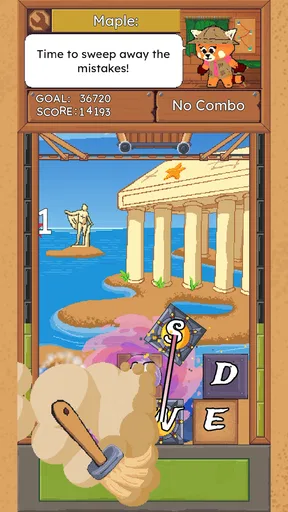
- Helpful power-ups can make difficult levels more approachable.
- Simple controls work well on phones and smaller screens.
- A broad vocabulary keeps many puzzles feeling fresh.
Limitations of Word Age: The Grand Expedition
- Some levels may rely on obscure or uncommon words.
- Difficulty can rise unevenly between stages.
- Power-ups may become important when solving tougher puzzles.
- Players looking for fast action may find the pace too slow.
- Repeated puzzle patterns can reduce variety over longer sessions.
Similar Picks in This Category
View All
Word Search - Word Puzzle Game
Bluetile4.8

Word Search Quest - Puzzles
Blackout Lab4.8

CodyCross: Crossword Puzzles
Fanatee, Inc.4.7

Words of Wonders: Crossword
Fugo Games4.9

Wordscapes: Word puzzle game
PeopleFun4.7

Word Search Explorer
PlaySimple Games4.9
Frequently Asked Questions
What is Word Age: The Grand Expedition?
Word Age: The Grand Expedition is a word puzzle adventure that combines vocabulary challenges with an exploration-themed journey. Players solve anagrams, word searches, or similar letter-based puzzles to progress through different locations, complete objectives, and unlock new stages. Its presentation is designed to make traditional word gameplay feel more like a casual adventure than a simple standalone puzzle collection.
How does the gameplay work in Word Age: The Grand Expedition?
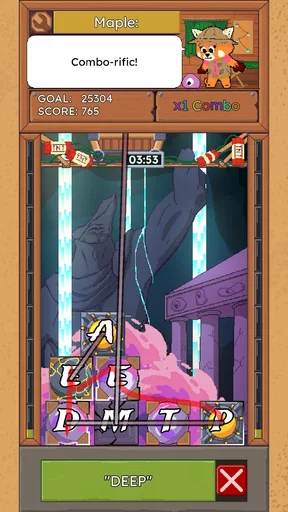
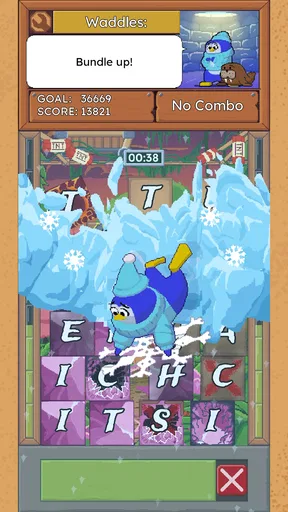
The main gameplay revolves around forming words from a selection of letters and using them to complete level objectives. Some puzzles may require finding specific answers, while others encourage discovering additional words for bonus rewards. As you advance, the difficulty generally increases, introducing more demanding letter combinations and goals. The controls are straightforward, making the game suitable for short sessions or relaxed play.
Can Word Age: The Grand Expedition be played offline?
Many of the core puzzle levels in Word Age: The Grand Expedition may be available without a continuous internet connection, which is useful when traveling or playing in areas with limited service. However, certain features can still require connectivity, including advertisements, purchases, cloud synchronization, updates, events, or other online services. It is best to launch the game once while connected and check which features remain accessible offline on your device.
Is Word Age: The Grand Expedition free to download and play?
Word Age: The Grand Expedition can generally be downloaded and started without paying an upfront purchase price. Like many free-to-play puzzle games, it may include optional in-app purchases for coins, hints, boosters, extra lives, or other conveniences. Advertisements may also appear during gameplay. You can usually progress without spending money, but patience may be necessary when dealing with difficult levels or limited resources.
Is Word Age: The Grand Expedition suitable for children and beginners?
The game is approachable for beginners because its basic controls and word-forming mechanics are easy to understand. It can also provide useful vocabulary practice, although the appropriate age depends on the player’s reading ability and the difficulty of the words used in later levels. Parents should review the store rating, advertising, privacy information, and in-app purchase settings before allowing younger children to play.
Play our best games!


